Garden
Garden Drainage Problems Every Homeowner Should Know
Sep 9 2026
Discover common garden drainage problems in Malaysia and practical home drainage solutions to protect your landscape and property foundation.
If you have ever watched rainwater pool across your lawn after a heavy downpour, you already understand the frustration that comes with poor garden drainage. In Malaysia, where rainfall can be intense and frequent throughout the year, garden drainage problems are not just a cosmetic inconvenience — they can quietly damage your property, weaken your soil, and compromise the foundation of your home. Understanding the root causes and knowing the right home drainage solutions Malaysia homeowners can apply is the first step toward a healthier, more resilient landscape.
If you have ever watched rainwater pool across your lawn after a heavy downpour, you already understand the frustration that comes with poor garden drainage. In Malaysia, where rainfall can be intense and frequent throughout the year, garden drainage problems are not just a cosmetic inconvenience — they can quietly damage your property, weaken your soil, and compromise the foundation of your home. Understanding the root causes and knowing the right home drainage solutions Malaysia homeowners can apply is the first step toward a healthier, more resilient landscape.
Why Garden Drainage Problems Are So Common in Malaysia
Malaysia's tropical climate delivers abundant rain, but not every garden is built to handle it. Many residential gardens are laid with compacted soil, excessive concrete hardscaping, or insufficient slope planning, all of which prevent water from flowing away naturally. Over time, this creates conditions where water has nowhere to go except into the ground beneath your home or across the surface of your lawn.
Beyond the weather, the original landscape design of many housing estates in Malaysia rarely accounts for long-term drainage performance. As gardens mature and soil composition shifts, even properties that once drained well can begin to show signs of waterlogging.
Common Garden Drainage Problems to Watch Out For
Standing Water After Rain
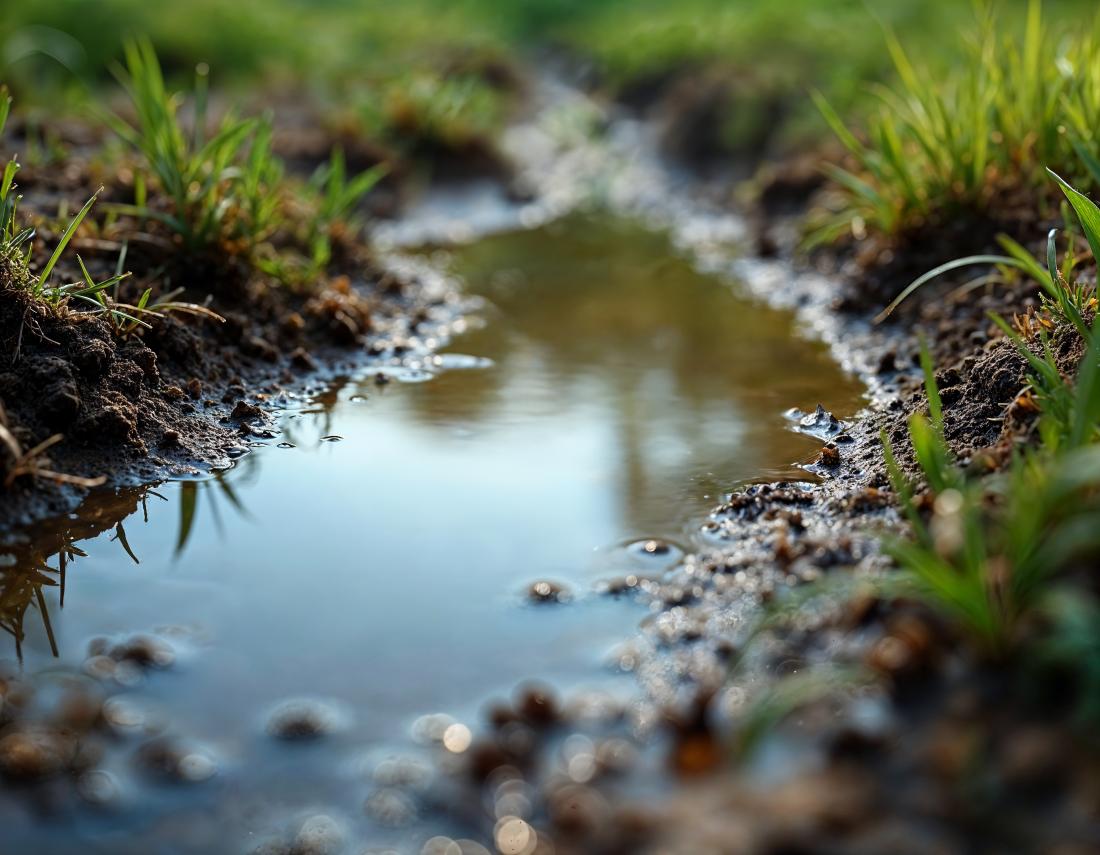
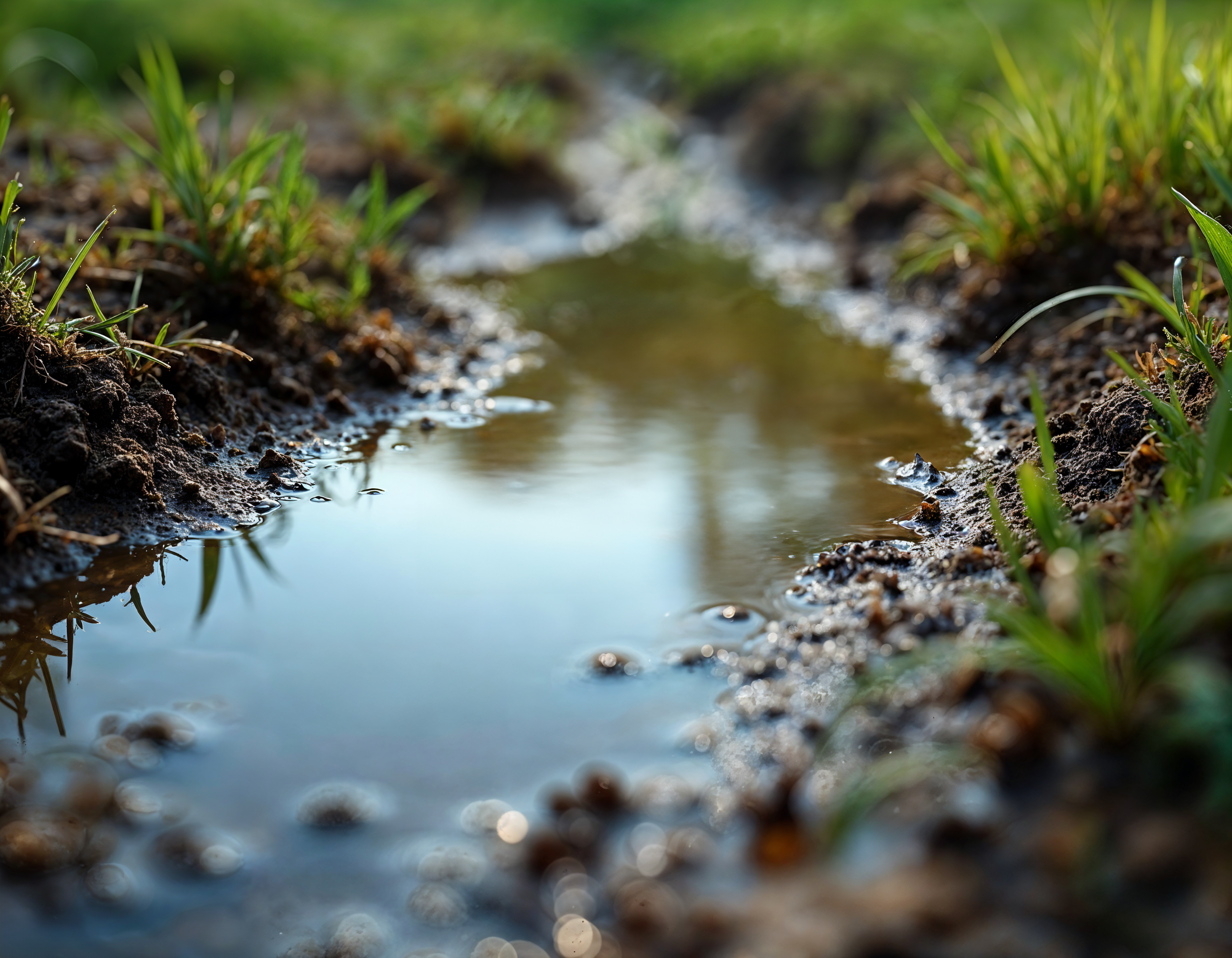
One of the most obvious garden drainage problems is water that refuses to soak into the ground or run off naturally after rainfall. This usually points to clay-heavy soil or a low-lying area in the garden that collects runoff from surrounding surfaces. In Malaysia's wet season, this standing water can linger for days, drowning plant roots and becoming a breeding ground for mosquitoes.
Soil Erosion Along Slopes
If your garden sits on a slight incline, heavy rain can strip away topsoil at a surprising rate. This erosion not only leaves patches of bare, compacted earth but also carries nutrients away from your plants. Over time, the exposed soil becomes harder and less receptive to water absorption, which actually makes future drainage worse.
Water Seeping Toward the Building Foundation
This is where garden drainage problems shift from a gardening issue to a structural concern. When water consistently pools near the base of your home, it can penetrate the foundation, cause dampness in ground-floor walls, and lead to long-term structural damage. Malaysian homeowners in older terrace houses and semi-detached properties are particularly vulnerable to this.
Soggy Lawn and Root Rot
A lawn that feels spongy or squishy underfoot even days after rain is a clear sign of poor drainage. The excess moisture deprives grass roots of oxygen, leading to yellowing patches and fungal growth. The same effect applies to garden beds — plants that sit in waterlogged soil for too long simply cannot survive.
Practical Home Drainage Solutions Malaysia Homeowners Can Apply
Improve Soil Composition
One of the most cost-effective home drainage solutions Malaysia gardeners can start with is amending the soil. Mixing in organic matter such as compost or coarse sand breaks up clay-heavy soil, improves its structure, and allows water to percolate more freely. This is particularly helpful for raised garden beds and planting areas near boundary walls.
Install a French Drain System
A French drain is a gravel-filled trench with a perforated pipe that redirects water away from problem areas toward a proper outlet. It is a well-established solution for gardens that consistently collect runoff and is suitable for both residential and light commercial landscaping. In Malaysia, this is commonly installed along the perimeter of garden walls or beneath lawn areas prone to waterlogging.
Regrade the Garden Surface
Sometimes the problem is purely about slope. A landscape that tilts toward the house rather than away from it will always push water in the wrong direction. Professional regrading adjusts the soil gradient so that surface water naturally flows away from the foundation and toward drainage channels or open ground. This is particularly relevant for properties that have undergone renovations or added extensions over the years.
Add Permeable Paving
Many Malaysian gardens lose their drainage capacity because too much of the surface area has been paved over with concrete or tiles, leaving no room for water to absorb into the ground. Replacing sections with permeable paving — materials designed to allow water to pass through — can significantly reduce surface runoff. This approach also reduces heat retention, which is an added benefit in the Malaysian climate.
Use Rain Gardens and Swales
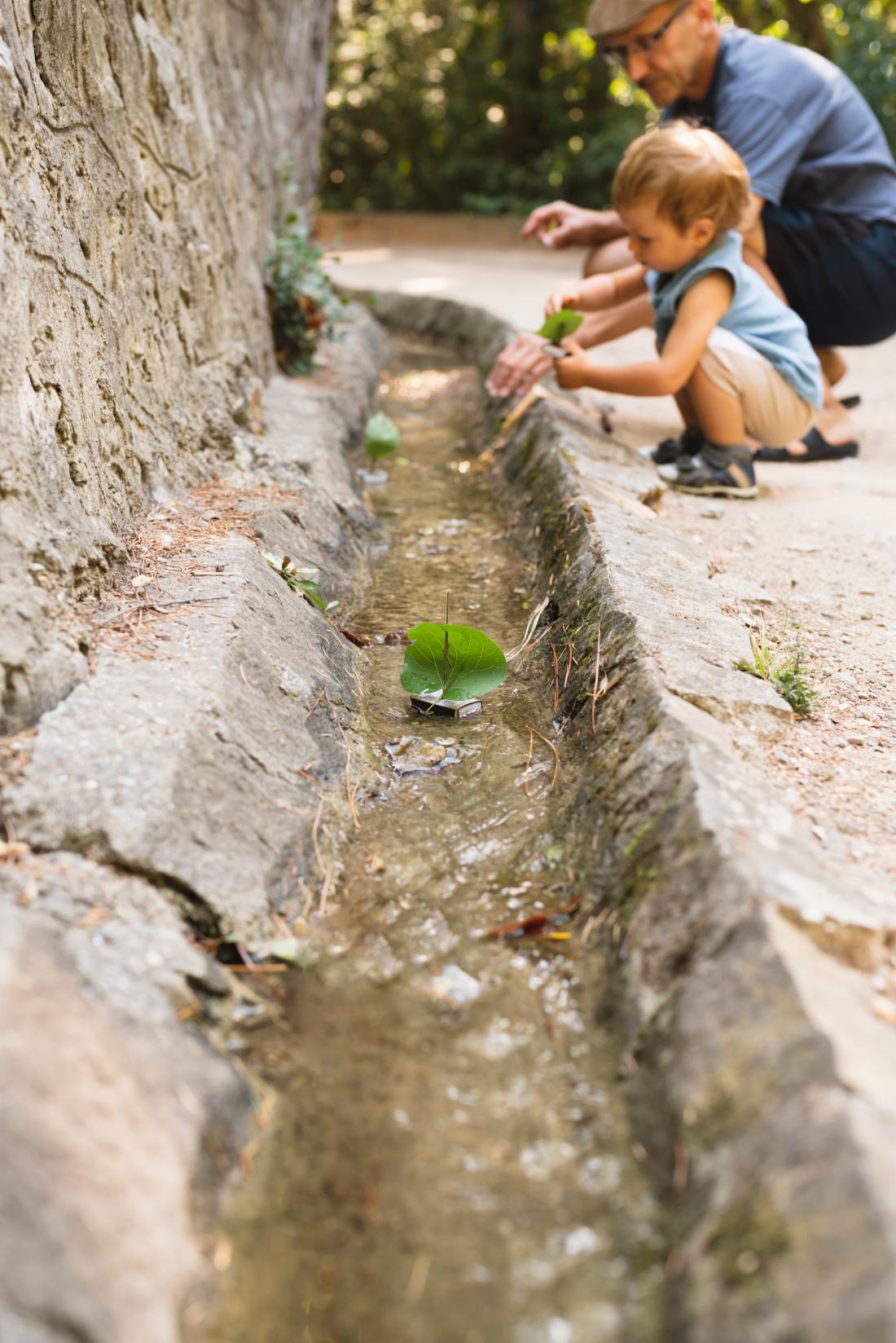
A rain garden is a shallow, planted depression designed to capture and slowly absorb runoff. Swales are gently sloped channels, often planted with grass or groundcover, that guide water flow in a controlled direction. Both are practical and visually appealing home drainage solutions that blend naturally into the landscape while managing water volume effectively.
Frequently Asked Questions
Q1: What causes garden drainage problems in Malaysia?
The combination of heavy rainfall, clay soil, and insufficient slope planning are the most common causes. Many residential gardens also have too much hardscaping, which prevents water from absorbing into the ground naturally.
Q2: Can I fix garden drainage problems on my own?
Minor issues such as soil compaction and small areas of standing water can often be improved with DIY methods like soil amendment and simple regrading. However, persistent problems near the foundation or across large areas are better handled by a professional drainage specialist.
Q3: How do I know if my garden drainage is affecting my home's foundation?
Look for signs such as damp patches on ground-floor walls, efflorescence (white salt deposits) on external surfaces, or water stains near the base of the building. If these appear regularly after rain, it is worth having your drainage assessed professionally.